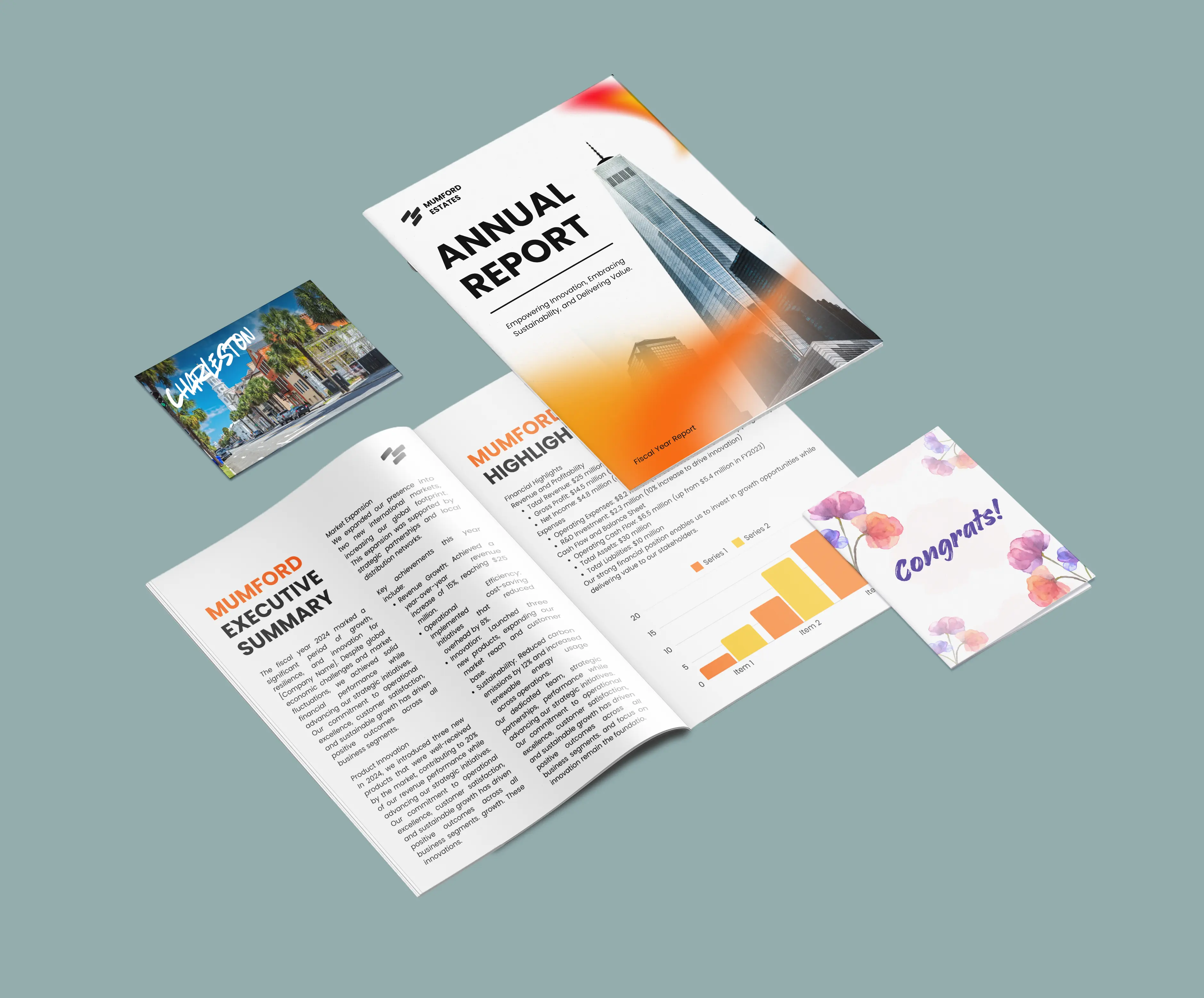
Deepen your understanding of our POD print options. Explore our available formats and find the best fit for your product.
Print on Demand vs Bulk Printing
Bulk Printing
Print On Demand
Description
Products are printed in large quantities and delivered to the creator, who handles storage and distribution.
Products are printed upon order placement and delivered directly to customers.
Pros
Lower cost per unit for large quantities
Best for large print runs
Complete control over inventory and shipping
A variety of customisation options are available
No upfront costs
No inventory management
No risk of unsold stock
No minimum order quantity
No bulk purchasing
Competitively priced
Automatic order fulfilment
Eco-friendly print option
Cons
Storage space required
Higher upfront costs
Labour-intensive
Risk of unsold stock
Less intervention in handling and product monitoring
Limited products and specifications available
Use
Bulk printing is for those with predictable demand who can manage storage and logistics.
POD is for those who want to monetise their products and prefer a hands-off approach.
Suitable for those who want to test the market with new products.
Unlike other POD platforms, Mixam provides a shareable product URL and landing page, allowing publishers to sell directly without relying on a marketplace.
What can I print?
The appeal of print on demand for many is the creative freedom it offers. You can print the following items on demand:
Activity Books
Booklets
Catalogues
Comic Books
Cookbooks
Cookbooks
Graphic Novels
Hardcover Books
Journals
Lookbooks
Magazines
Paperback Books
Perfect-Bound (PUR) Booklets
Zines
Paperback vs Hardcover
You can create print-on-demand books in paperback and hardcover format (specifications subject to availability). Choose the bookbinding option that best suits your book's content and target audience. You could even print both formats to suit different reader preferences and distribution needs.
Paperback
Hardcover
Description
Pages are bound to the spine using adhesive and attached to a flexible, slightly thicker paper cover. Also known as a softcover, perfect binding creates a rectangular spine.
Pages are bound to a spine with adhesive and encased in durable, rigid cardboard covers, typically wrapped in printed paper.
Pros
Cost-effective to produce and sell
Compact, lightweight and portable with some flexibility
Fast turnaround times
Low shipping costs
High durability
High aesthetic appeal
High-perceived value
Higher profit margin potential
Cons
Lower durability
Susceptible to damage over time
Lower profit margin
Higher production costs due to material and labour expenses
Longer turnaround times
Higher shipping costs
When to use
Ideal for everyday reading and mass-market distribution.
Ideal for keepsakes, special editions or gifts.
Now that you understand the factors to consider when printing on demand, you're ready for an overview of The Publisher Hub and the tools available to you.
Mixam's Terms of Use and Service ("Terms") have changed to include our rewards program. By tapping Accept or continuing to use our website, you accept our new Terms, which took effect on 8 July 2025.
Our site uses cookies to give you the best experience. You can choose which cookies to accept or continue shopping if you're happy.
We noticed you have a privacy preference set or your request originates from California, and we have honored it by disabling advertising cookies.
Manage Your Cookies
We use cookies to personalise content, provide analytics, and enhance your browsing experience. Manage your settings for different types of cookies below. You can find out more about what cookies we use and how we use them by viewing ourCookie Policy.
Essential Cookies
Essential cookies are necessary for the basic functionality of our website. These cookies enable core features such as security, network management, and accessibility. You cannot opt out of these cookies, as the website cannot function properly without them.
Analytics Cookies
Analytics cookies help us understand how visitors interact with our website by collecting and reporting information anonymously. These cookies provide data on things like page visits, traffic sources, and user behaviour so we can improve the performance of our site.
Ad Storage
Ad storage enables the storage and tracking of ads and marketing-related data, allowing for personalised advertisements and analytics about ad campaigns.
Ad Personalisation
Ad personalisation uses collected data to display personalised advertisements based on user behaviour and preferences.
Ad User Data
Ad user data tracks user information to enable ad targeting and analytics that provide insights into campaign performance.
Personalization Storage
Personalization storage enables the storage of data for personalized website content and features, improving your overall browsing experience.